Skip to content
Barcelona is capping tourists in 2026. Here’s where to go instead.

By Mads Nordsveen18 min read
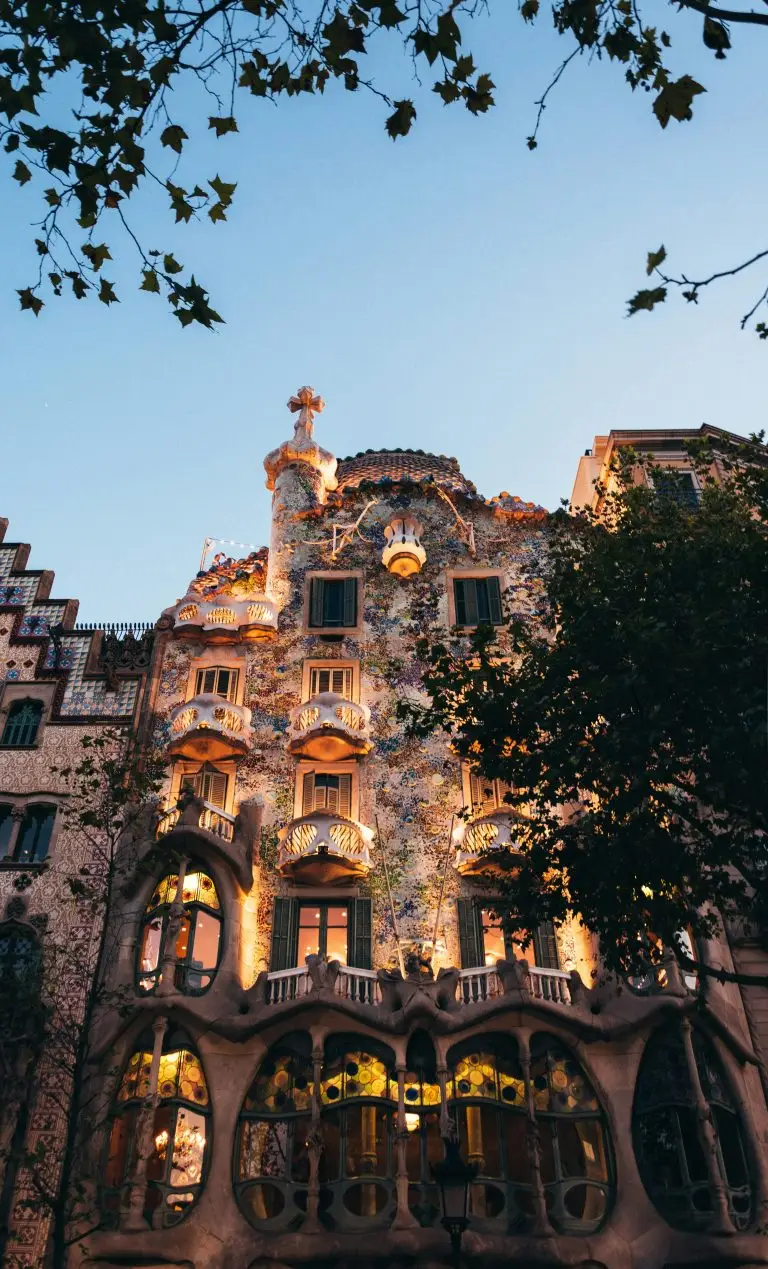
Barcelona has had enough. Spain without the crowds isn’t a fantasy in 2026. In the past 18 months, Barcelona has stopped issuing new hotel licenses in the city’s most-visited neighborhoods, halved Airbnb listings (Spain ordered the platform to remove more than 65,000 unlicensed properties in 2025 alone), and raised its tourist tax in April 2026 to as much as €12 per person per night in five-star hotels, with revenue earmarked for housing. The city wants fewer visitors, or at least a different kind. The protests of 2024, where residents sprayed water at tourists on La Rambla, were the warning. The 2026 policies are the answer.
Mallorca is capping cruise arrivals. Ibiza’s short-term holiday rentals have nearly halved year-over-year. Valencia is fine, for now, but the Balearics are tightening visibly. The message from across Spanish cities is consistent: the era of packing 10 million visitors into a Gothic Quarter the size of two London tube stops is ending.
Most “alternatives to Barcelona” articles miss this. Spain is enormous. Barcelona accounts for a fraction of the country’s character, and several of Spain’s most rewarding cities have been there the whole time, just outside the tour-bus circuit. Some are quieter Barcelona equivalents (architecture, beach, food in walking distance). Others offer something Barcelona doesn’t have at all: first-rate pintxos, Moorish palaces, contemporary art on a global scale.
What follows is a working list of eight Spanish cities that deliver more than they cost in 2026, paired with what each one does better than Barcelona. We’ve also flagged the new 2026 hotel openings worth knowing about, since several of these cities have their best new accommodation arriving this year. If you would rather go smaller than a city, our six quietly romantic little towns in Europe start in Croatia and end in Turkey.
How this guide was made
This article was built from research conducted between January and April 2026, including official tourism data from Spain’s Ministry of Industry and Tourism, Reuters reporting on Spain’s short-term rental crackdown, the Michelin Guide Spain 2026 listings, current hotel pricing on Booking.com and Mr & Mrs Smith, and recent reporting from Euronews, The Times, and Culture Trip on what’s new across Spanish destinations this year.
We have not personally visited every city on this list. Where we recommend specific hotels and restaurants, we have verified they’re currently operating and have the credentials we cite. Prices were confirmed in April 2026 and shift with season. Always confirm directly before booking.
1. San Sebastián: Spain’s food capital
If you’re going to Spain for one reason and that reason is food, skip Barcelona and book San Sebastián.
The numbers tell most of the story. San Sebastián has 19 Michelin stars within a 16-mile radius, the highest concentration per capita in Europe. Three of those are at Arzak, where Juan Mari and Elena Arzak have been refining new Basque cuisine since the 1970s. Two more are at Akelarre, perched on Monte Igueldo with views across the Bay of Biscay. Two at Mugaritz, Andoni Luis Aduriz’s gastronomic laboratory in nearby Errenteria. Three at Martín Berasategui in Lasarte. Tasting menus at the three-star establishments run €245 to €310 per person before wine pairings.
But the real answer to why San Sebastián beats Barcelona on food is what happens at the bottom of the price scale. The Old Town (Parte Vieja) has more than 200 pintxos bars in a few square blocks. Individual pintxos cost €4 to €8. A proper evening of bar-hopping, sampling six or seven places with drinks, totals €35 to €65 per person. The food is often as inventive as anything you’ll get at three stars: La Cuchara de San Telmo’s beef cheek, Bar Nestor’s tortilla (only two made per day, queue an hour before opening), Casa Urola’s scallop with ajoblanco. La Viña does the original Basque cheesecake that the entire world has spent the last five years trying to copy.
A new opening this year: Hotel Palacio Bellas Artes, Curio Collection by Hilton, an 81-room four-star hotel in the restored 1914 Bellas Artes cinema, opened in July 2026.
Best for: Food obsessives, Michelin pilgrims, anyone who’s tired of Barcelona’s tapas tourist traps
Stay: Hotel Maria Cristina (the historic option, on the river next to Parte Vieja) or the new Palacio Bellas Artes (opened in 2026 in a restored 1914 cinema, part of Hilton’s Curio Collection)
Skip Barcelona for this if: Your trip is specifically about eating
2. Bilbao: Better art than Barcelona, and a quarter the crowds
Most travelers go to Bilbao for the Guggenheim and leave. That’s a mistake, but the Guggenheim is also the right starting point.
Frank Gehry’s titanium-skinned museum opened in 1997 and triggered what economists now call the “Bilbao effect”: one building so transformative it rewrites a city’s economy. The collection itself is uneven (the building is the exhibit, partly), but the rotating shows are first-rate. Through 2026, the Guggenheim is hosting major exhibitions tied to the Basque Country’s cultural anniversaries.
What you do with the rest of your time is the part most guides get wrong. The Casco Viejo (Old Town) is small, walkable, and full of bars where pintxos cost €2 to €4 and locals outnumber tourists most nights. The Mercado de la Ribera is one of the largest covered markets in Europe and has a respectable upper floor of working bars and stalls. The newer Azkuna Zentroa, a Philippe Starck-designed cultural center in a converted wine warehouse, has a rooftop swimming pool with a glass bottom. The view through the floor is concrete columns and people walking below. Strange and good.
Bilbao is also one hour from San Sebastián by car, which means you can base yourself in Bilbao (cheaper hotels, less competitive restaurant booking) and day-trip to San Sebastián for pintxos. Many travelers do this and don’t realize it’s an option.
Best for: Architecture and modern art lovers, travelers who want a real working city not optimized for tourism
Stay: Gran Hotel Domine (across from the Guggenheim, mid-range pricing) or Hotel Tayko Bilbao (boutique, in the old town)
Skip Barcelona for this if: Modern architecture and art are why you’re going
3. Valencia: The beach city Spain forgot to overcrowd
Valencia is the answer to a question almost nobody asks: what if Barcelona had a beach you could reach in 15 minutes by metro, paella that was invented locally rather than served as a tourist concession, and roughly half the price tag?
The City of Arts and Sciences, Santiago Calatrava’s white sci-fi complex, is the photogenic anchor. The reality of Valencia is more interesting. It’s a working Spanish port city with a pedestrianized centro histórico, the longest urban park in Europe (a redirected river bed converted into 9 kilometers of green space), and a beach district (Malvarrosa) with more locals than tourists most weekends.
A sign of how the city is positioning for 2026: the Espai Manolo Valdés, a new free museum dedicated to the Valencian sculptor, is due to open in 2027 at Pier 3 of the Central Park. It’s the kind of cultural infrastructure investment cities make when they want to be taken seriously beyond beach tourism.
Food is where Valencia surprises most. Paella was invented in the marshlands south of the city. The version you order in Barcelona is almost always wrong (rice with seafood is not paella valenciana, which features chicken, rabbit, snails, and three types of beans). Try Casa Carmela on Malvarrosa beach for the canonical version, cooked over orange wood, served only at lunch.
Best for: First-time visitors who want a proper Spanish city without the Barcelona price or congestion
Stay: Caro Hotel (boutique, in a Roman ruin, central) or The Westin Valencia (if you want a pool)
Skip Barcelona for this if: You want beach, food, and a real city in one place
Working remotely? Wayco Ruzafa is our pick for a desk in Valencia, from our guide to the best co-working spaces in Europe.
4. Granada: The Alhambra alone justifies the trip
There are buildings, and there is the Alhambra.
Granada’s Moorish palace complex is the high-water mark of Islamic architecture in Western Europe. The Nasrid Palaces alone, with their interior courtyards, calligraphic walls, and water gardens, are worth the cost of a flight to Spain. The catch is that the daily visitor cap is real (around 6,600) and tickets sell out months ahead during peak season. Book the moment you’ve decided on dates. Twilight visits are sometimes available and dramatically less crowded.
Beyond the Alhambra, Granada is the Spain that most tourists imagine but rarely see. The Albaicín, the old Moorish quarter, is a UNESCO World Heritage site of whitewashed houses and narrow lanes climbing up the hill opposite the palace. The Sacromonte district, traditionally the home of Granada’s flamenco community, has cave restaurants where the dancing happens 12 inches from your table. Tapas culture in Granada still operates on the old system: order a drink, get a tapa free with it. Doing several rounds is dinner. If the Alhambra leaves you wanting more, Marrakech is a short flight away, and our stay at an artistic riad in the medina is a good place to start.
A new five-star opening for 2026: Gran Hotel Claridge Granada, a 70-room boutique property on Plaza de Villamena with rooftop infinity pool views of the cathedral and Alhambra. It opened on 21 May 2026. This is the kind of opening that signals Granada is being repositioned for the high-end traveler previously routed to Barcelona’s Gothic Quarter hotels.
Best for: History lovers, architecture nerds, anyone who’s seen Barcelona once already
Stay: Gran Hotel Claridge Granada (opened in May 2026, across from the cathedral) or Parador de Granada (inside the Alhambra grounds, books out a year ahead)
Tickets: Nasrid Palaces entry is timed and sells out, so book early. Alhambra ticket with a guided tour of the Nasrid Palaces.
Skip Barcelona for this if: You want one of Europe’s three or four most extraordinary historic sites
5. Sevilla: The Spain in your imagination, made literal
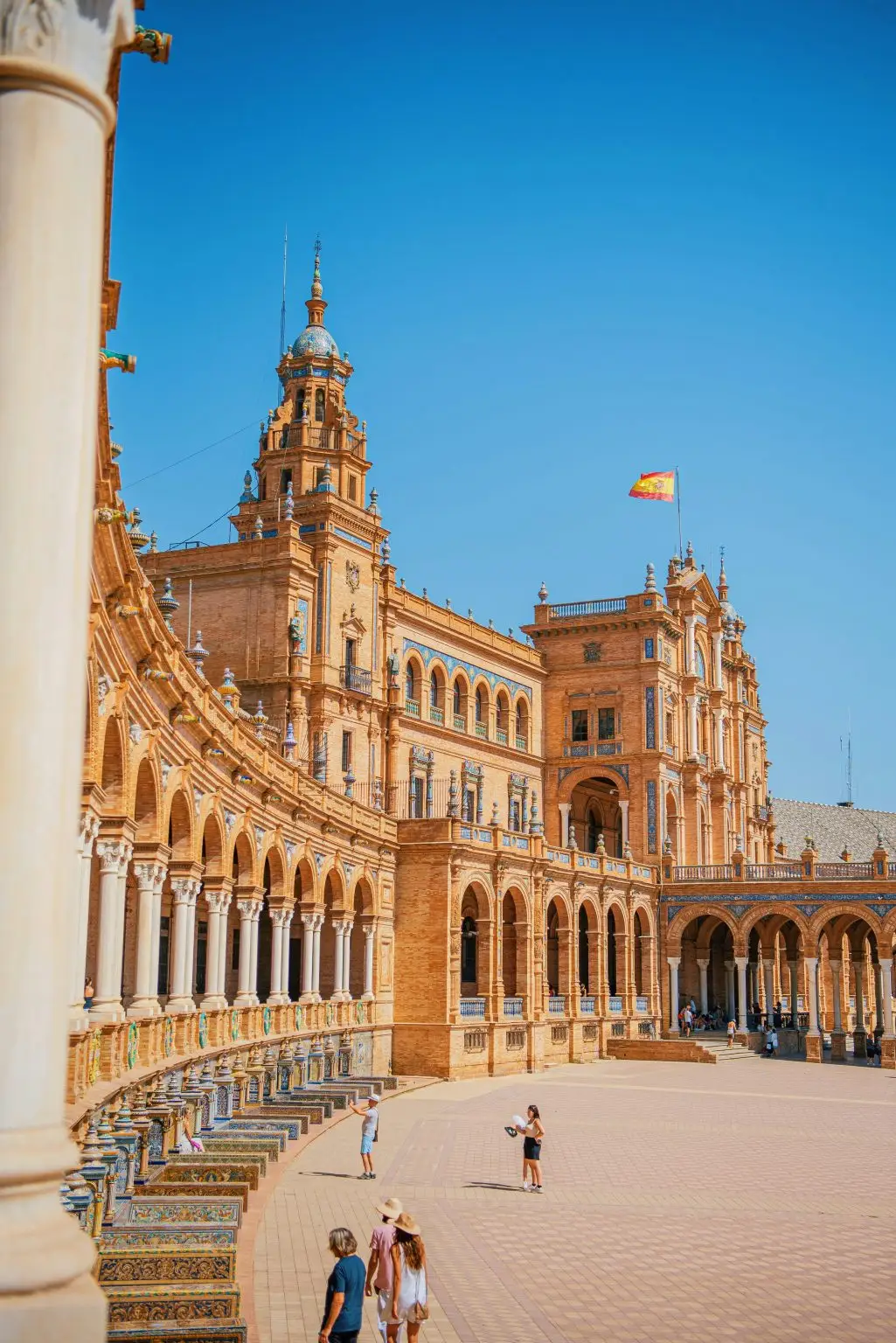
Sevilla is the Spain that exists in foreign imaginations: orange-tree-lined streets, flamenco bars in Triana, the Plaza de España’s tiled benches, and a cathedral so vast that Christopher Columbus is buried inside it.
The geography is unusual. Sevilla sits inland on the Guadalquivir river, far from any beach, in a southern Spain that gets brutally hot in summer (40°C in July is normal). Plan around this: October to April is the right window, with March and April competing for the best mix of mild temperature and pre-summer crowds.
The Real Alcázar is the showpiece, a giant Mudéjar palace where Christian and Islamic design cohabit so seamlessly you stop noticing the seam. The cathedral and Giralda tower, the converted minaret, are next door. The Triana district across the river is where the flamenco that defines Andalusian music developed in the 19th century. Authentic tablaos still exist, though most foreign visitors end up at the tourist-oriented shows in the center. Casa Anselma in Triana is the local alternative, no reservations, no tickets, no signs out front, just queue up at 11pm and hope.
Best for: First-time Spain visitors who want everything they pictured: flamenco, Moorish architecture, tapas, sunshine
Stay: Hotel Alfonso XIII (the grand option) or Mercer Sevilla (boutique, central, with rooftop pool)
Tickets: Alcázar, Cathedral and Giralda skip-the-line tour, the three big sights in one morning.
Skip Barcelona for this if: Your mental picture of Spain is more Andalusian than Catalan
6. Girona: Game of Thrones with much better food
This one comes with an asterisk. Girona is in Catalonia, just an hour by high-speed train from Barcelona, and many travelers use it as a day trip. That’s a missed opportunity.
The city’s medieval Jewish Quarter, El Call, is one of the best-preserved in Europe. The cathedral steps you’ve seen if you watched Game of Thrones (they doubled as Braavos and the Sept of Baelor) are real and impressive in person. The colorful houses along the Onyar river are the photo every Catalonia guide uses. But Girona’s quiet trump card is its food scene. El Celler de Can Roca, the three-Michelin-starred restaurant from the Roca brothers, is one of the world’s most decorated. Reservations are made only through its website, up to 11 months ahead, and each new booking period opens at midnight Central European Time on the first day of the month. The only option is the Festival tasting menu, ordered for the whole table, with wine pairings extra.
The reason Girona belongs on this list: you can do Catalonia properly, including the Roca experience, without staying in Barcelona at all. Fly into Girona’s airport (cheaper from many European hubs), spend three or four nights, day-trip to the Costa Brava beaches at Calella de Palafrugell or Tamariu. You’ll skip everything Barcelona has been complaining about while still getting Catalan culture and food.
Best for: Catalonia travelers who don’t want to deal with Barcelona, fine-dining pilgrims
Stay: Hotel Llegendes de Girona (in the old town) or the Casa Cacao boutique hotel from the Roca brothers themselves
Skip Barcelona for this if: You want Catalonia without the city
7. Cádiz: Europe’s oldest city, still under-discovered
Cádiz is one of the oldest continuously inhabited cities in Western Europe, founded by the Phoenicians around 1100 BC. That’s a thousand years older than Rome’s founding date. You’d think this would put it on every itinerary. Somehow it doesn’t.
The geography helps. Cádiz sits on a narrow peninsula sticking into the Atlantic, almost surrounded by water. The old town fills nearly the entire peninsula, which means the beach is a five-minute walk from anywhere. La Caleta is the small beach in the historic core. La Victoria, on the other side, is a wide stretch of Atlantic sand that runs for kilometers. The water is cold even in August, but that’s the trade-off for an Atlantic beach city in southern Spain that doesn’t feel like Costa del Sol.
Food in Cádiz is fish, simply prepared, often fried. The frituras (a paper cone of mixed fried seafood, eaten standing up) are a local institution. Casa Manteca in Barrio de la Viña is the working-class bar to know about, decorated with bullfighting memorabilia and serving payoyo cheese, chicharrones, and good sherry. Cádiz also sits 25 kilometers from Jerez de la Frontera, the center of sherry production. The bodega tours at González Byass, Lustau, and Tio Pepe are excellent and far cheaper than wine tourism in Bordeaux or Tuscany.
Best for: Travelers who want a beach city with deep history and zero pretension
Stay: Hotel Argantonio (small, central, well-priced) or Parador de Cádiz (modern building with sea views)
Skip Barcelona for this if: You want beach plus history without the polish
8. Toledo: A daytrip turned overnight stay
Most visitors do Toledo as a day trip from Madrid. Most visitors are wrong. Toledo, the medieval Spanish capital, empties of tourists after 6pm, when the day-trippers reboard their buses to Madrid. The remaining hours are the city at its best.
The geography is the showpiece. Toledo sits on a granite outcrop almost completely encircled by the Tagus river, a fortified hilltop with one of the most dramatic urban silhouettes in Europe. El Greco lived and worked here in the 16th century, and the city still has more of his paintings than any other place in the world. The Cathedral of Toledo is one of the great Gothic buildings of Spain, larger than it looks from outside. The Synagogue of Santa María la Blanca, a 12th-century synagogue with Moorish architecture, is a quiet reminder that Toledo was Spain’s “city of three cultures” (Christian, Muslim, Jewish) for centuries before the Inquisition.
The right way to do Toledo: arrive late afternoon, watch the sunset from the Mirador del Valle across the river (the canonical view), have dinner in the empty old town, sleep in a converted convent or palace, and walk the city in early morning before the buses arrive. By 10am, the day-trip crowds return and the spell breaks. By then, you should be on a train back to Madrid or onward.
Best for: History travelers, anyone tired of cities optimized for daytime tourism, art lovers (especially El Greco)
Stay: Parador de Toledo (across the river, with the classic view) or Hotel Eurostars Palacio Buenavista (in a renovated 16th-century palace)
Skip Barcelona for this if: You’d rather spend a quiet evening in a medieval city than a noisy one in a modern one
Find a hotel
Hotels in all eight cities
Spain without the crowds: how to combine these into a real trip
Two strong itineraries, depending on what you care about most.
The northern route (10 days, food and art focus): Bilbao 3 nights, day trip to San Sebastián. Then move to San Sebastián 3 nights for the full pintxos and Michelin experience. Then high-speed train to Madrid via Zaragoza, with optional 2 nights in Madrid. End in Toledo, 1 night. This is the route for travelers prioritizing food, contemporary art, and Spain’s underrated north.
The southern route (10 days, history and warmth focus): Sevilla 3 nights for Andalusia at full strength. Granada 3 nights for the Alhambra and Moorish architecture. Cádiz 2 nights for beach and Atlantic Spain. End in Madrid, 2 nights. This route is the antidote to anyone considering yet another Barcelona-Madrid trip.
For a route that combines both: do 14 days, fly into Bilbao, fly out of Sevilla, pick up the AVE high-speed train system between cities. You’ll cover more of Spain than 95% of visitors, and never set foot in Barcelona.
Frequently asked questions
Is Barcelona unwelcoming to tourists in 2026? The protests and policies are real, but most tourists don’t experience hostility on the ground. The change is more structural: fewer hotels, fewer Airbnbs, higher prices, more crowded peak-season streets. If you want Barcelona, you can still go. The case for these alternatives is practical: you’ll have a better trip.
Are these cities less crowded? In April 2026, yes, all eight have substantially fewer tourists per square kilometer than Barcelona. Peak summer (July to August) brings crowds everywhere, especially Sevilla and Granada. Shoulder season (April to May, September to October) is the best time to go.
What’s the cheapest way to do this? Spain’s AVE high-speed rail network is excellent and connects most of these cities directly. A 7-day rail pass costs around €280. Internal flights are sometimes cheaper for longer hops (Sevilla to Bilbao, for instance). Madrid is the main hub for transfers. At the other end of the price scale, the Orient Express now runs from Paris to the Amalfi Coast.
Do I need to speak Spanish? Tourism English is solid in all eight cities. Some Spanish helps in pintxos bars, where the etiquette is faster and the menus are sometimes only in Spanish or Basque. A few phrases go a long way.
Which city has the best beach? Cádiz wins for swimming and Atlantic feel. San Sebastián’s La Concha is the most beautiful urban beach. Valencia has the best beach in proximity to a major city.
Which city is best for a long weekend? San Sebastián or Bilbao, both flyable from most European hubs in under three hours. Granada needs three full days minimum to do justice to. Sevilla rewards a week.
Can I day-trip to Barcelona from Girona? Yes, easily. The high-speed train takes 38 minutes. Many travelers stay in Girona and visit Barcelona for one or two days, which avoids hotel pressure and the new tourist-tax structure entirely.
What’s the best time of year for these cities? April to early June, then September to October. Sevilla and Granada are punishingly hot in July and August. Northern cities (Bilbao, San Sebastián) have cooler summers but more rain.
Is Spain expensive in 2026? Less than France or Italy, more than five years ago. The new tourist taxes (Vigo €2/night, others varying) add modestly to costs. Hotels in San Sebastián and Granada have moved upmarket since 2024. Restaurants outside Michelin-starred fine dining remain reasonable.
Do I need a visa? Travelers from the EU, UK, US, Canada, Australia, and most other Western countries can visit Spain visa-free for up to 90 days. ETIAS, Europe’s new pre-travel authorization, will affect non-EU travelers, but it has no start date yet and is expected in 2027 at the earliest. Our ETIAS guide tracks the latest status.
All prices, hotel openings, and rules were checked in April 2026. New hotels mentioned are scheduled to open in 2026 with dates from public announcements. Always confirm directly before booking. The new tourist taxes referenced (Vigo, and Barcelona’s higher rates from April 2026) are subject to change as legislation moves through Spanish administrative processes.
Traveler Magazine may earn a commission on bookings made through links in this article. It does not affect what we write.